The Supreme Court once billed the Endangered Species Act as “the most comprehensive legislation for the preservation of endangered species ever enacted by any nation.” Federal protections have been key to saving nearly 300 U.S. species — including the bald eagle, American alligator, and grizzly bear — from permanent extinction.
Each year, the U.S. Fish and Wildlife Service, which is primarily responsible for implementing the law, evaluates species and lists them as “endangered” or “threatened.” When federal activity or private development has the potential to harm a listed species or its habitat, project developers are required to consult with the Service or obtain a permit prior to construction.
For the last several decades, the interpretation of two words in particular — “take” and “harm” — have formed the backbone of the Nixon-era law. Its prohibition of “taking” an animal criminalized any attempts to “harass, harm, pursue, hunt, shoot, wound, kill, trap, capture, or collect” at-risk species. And the provision on “harm” ensured that degrading a listed species’ habitat could be penalized. These definitions have been key to the success of the law.
But that all changed last month when the Trump administration determined that razing the habitat where endangered or threatened species breed, feed, and shelter would no longer face federal penalties. In a separate internal memo, the administration also reinterpreted the definition of “take,” limiting it to instances of intentional killing of an endangered species. (Nearly two dozen attorneys general have sued over some of these changes.)
“These rule changes, when you zoom out, are an assault on threatened and endangered species unlike we’ve ever seen before,” said Elizabeth Forsyth, a senior attorney in the biodiversity defense program with Earthjustice, a nonprofit environmental law organization. “It’s an effort to eliminate habitat protections, eliminate automatic protections for threatened species, and give industry power.”
Climate change is making matters worse, as species struggle to adapt to warming temperatures and changing ecosystems. Below, Grist reporters look at how 10 species — from lovable sea otters to a misunderstood snake — might fare as the regulatory framework that has kept them afloat is weakened.
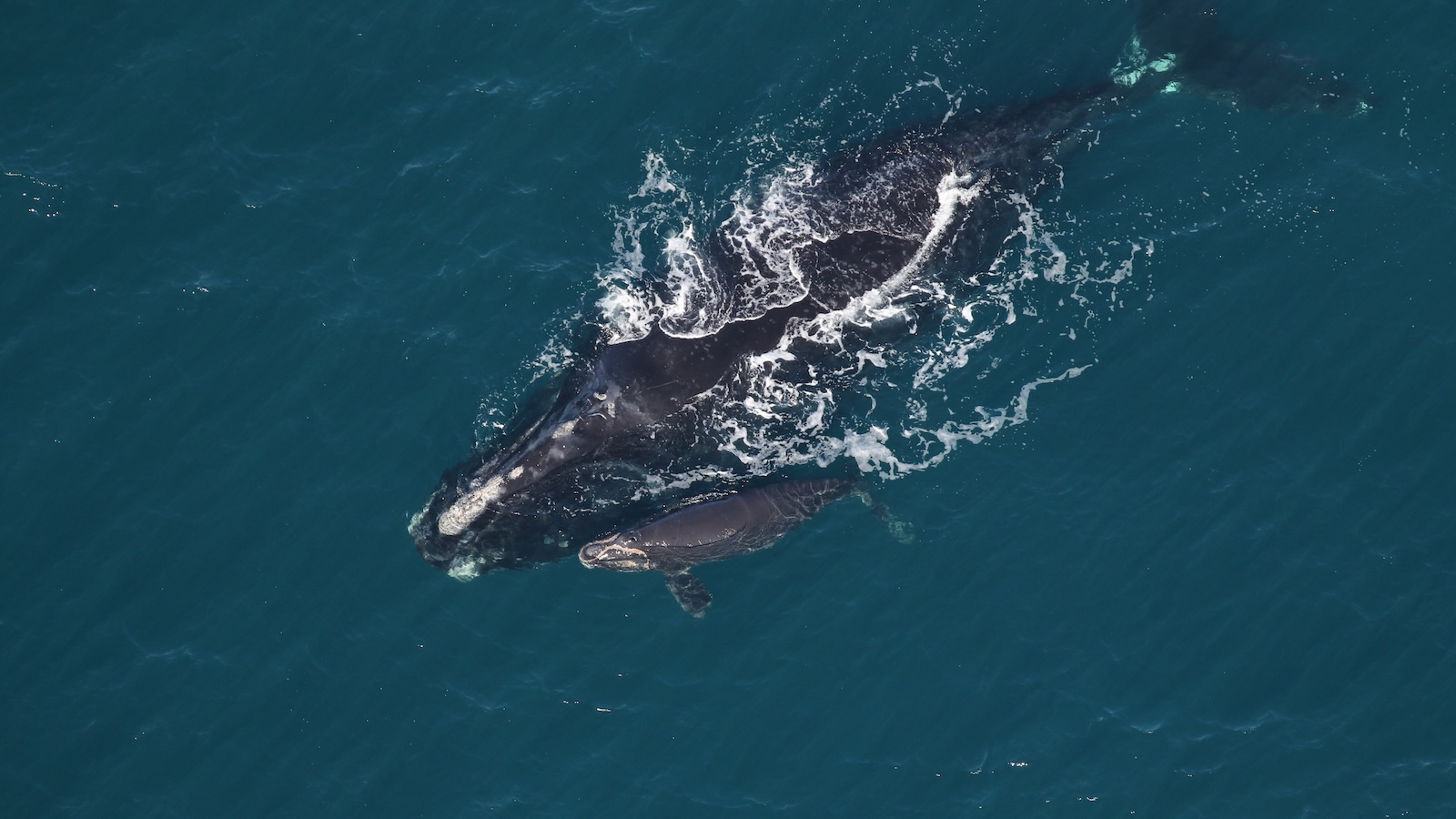
North Atlantic right whale
North Atlantic right whales got their name perversely. Because they stick close to shore and to the surface, and float when killed, they were the “right whale” to hunt. So right that humans hunted them nearly to extinction before the practice was banned in the 1930s.
That’s not why right whales are dying today.
“Nobody goes out and says, ‘I’m gonna hit a right whale with my ship,’” said Delcianna Winders, director of the Animal Law and Policy Institute at Vermont Law and Graduate School. But it happens anyway.
Though it’s not always possible to determine the cause of death for a whale, research shows that the leading cause is human activity: Ships strike the whales and fishing gear ensnares them, leading to injury and death. It happens often enough that North Atlantic right whales have been experiencing an unusual mortality event since 2017, in which 43 have died and 133 have been spotted injured or in poor health. About 380 whales remain, only 70 of whom are breeding females.

Well before the latest changes to the Endangered Species Act, the Trump administration had already begun rolling back protections for right whales. In March, the National Oceanic and Atmospheric Administration announced plans to rescind ocean speed restrictions designed to reduce the risk of vessel strikes. The agency later declined to expand the whales’ designated critical habitat to include their migratory route.
The administration will likely use its new definition of “take” to bolster those actions, Winders said. “Now they can point to this and say, ‘Look, we can’t have speed limits under the law because it only applies to intentional direct activities.’”
Right whales are “particularly vulnerable” to the changes, Winders said, both because of their critically low population figures and because their primary causes of death are incidental takes.
“Right whales don’t have two years or four years” to wait for a new president or Congress to restore their protections, Winders said. “This is going to impact them immediately.”
— Emily Jones
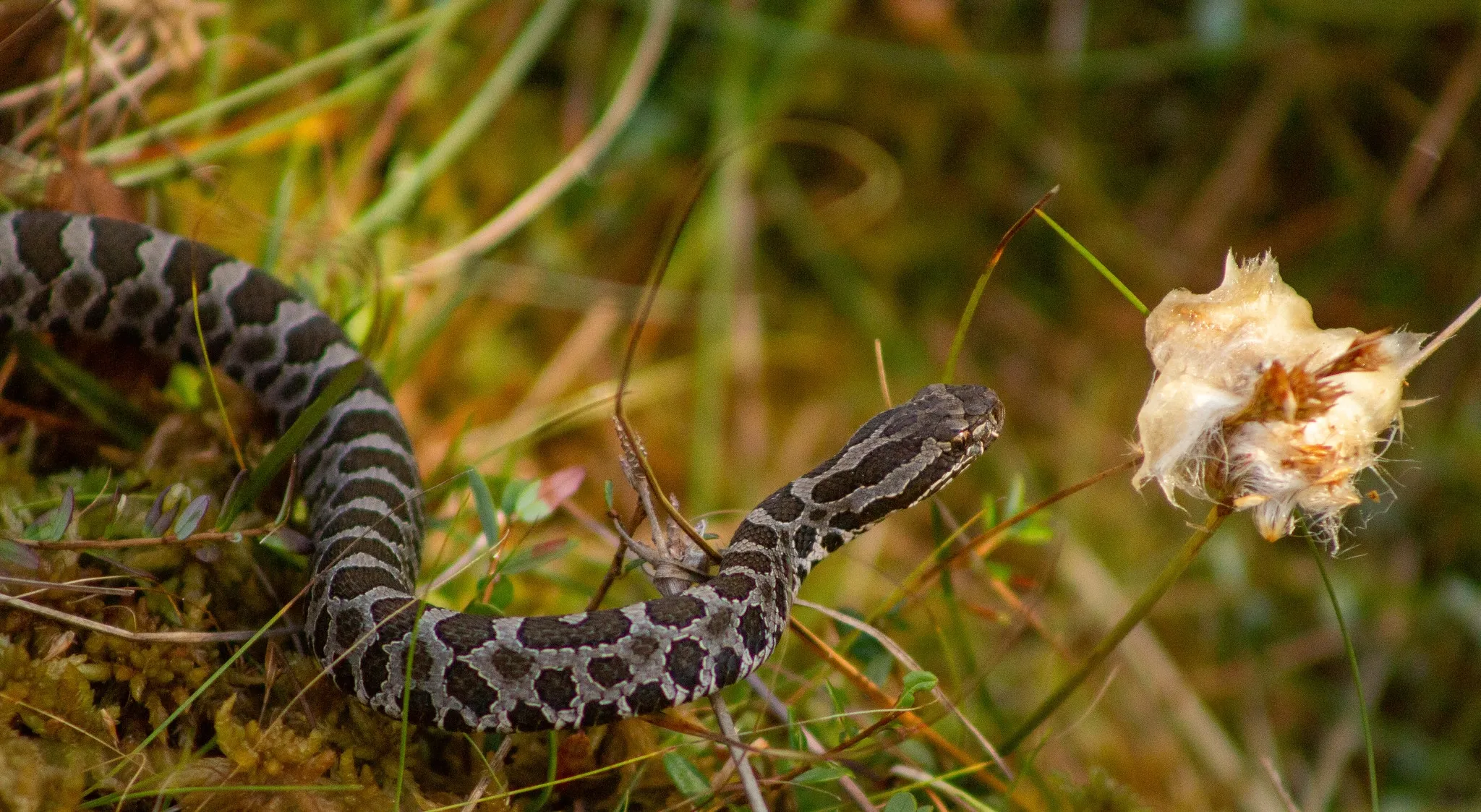
Eastern massasauga rattlesnake
Admirers of the only venomous snake species in Michigan call the creature misunderstood. The eastern massasauga rattlesnake — which grows up to 3 feet long, with a rattle at the end of its sandy, brown-speckled body — is often vilified in rare accounts of snake bites and has been the subject of state advisories to stop harassing the animal.
These snakes are actually “very shy, pretty calm,” said Adam Austin, a wildlife biologist who leads the conservation nonprofit Midwest Friends of Wildlife. They prefer to hide in the wetlands that they call home, and their name is a nod to their swampy abodes; massasauga means “great river mouth” in Anishinaabemowin, the Indigenous language spoken across the Great Lakes.
In recent years, as wetland acreage has shrunk across the Midwest — due to development, drainage, and climate change — the massasauga’s habitats have become fragmented. The resulting isolation makes it difficult for them to breed with other populations, diminishing genetic diversity and leaving them less resistant to new diseases. More than a third of the roughly 260 sites where the snake has been surveyed across the Midwest are at risk of habitat loss, according to the Fish and Wildlife Service.
As a result, federal officials listed the snake as threatened under the Endangered Species Act in 2016. The move has helped conserve millions of acres of wetlands in the region, Austin said, but recent changes to federal protections are likely to spell trouble for the rattlesnake.
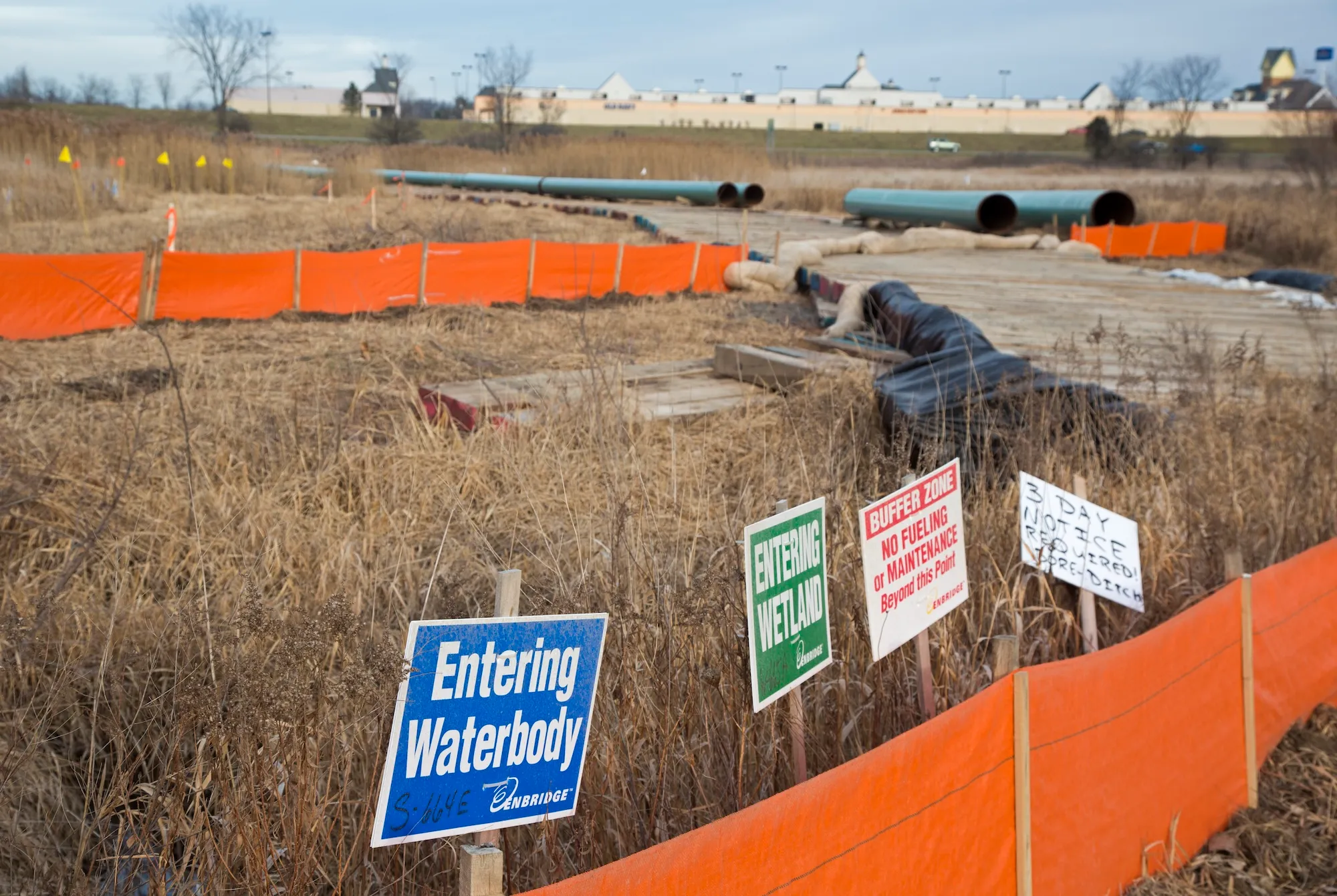
Snake advocates worry that under the Trump administration, razing wetlands the massasauga roam in or accidentally killing them during construction may not be a violation of federal law. While Michigan has its own endangered species laws — eastern massasaugas are considered state-threatened — protections are narrower than the federal Endangered Species Act. The state also has strong legal protections for wetlands, but the loss of a federal backstop could shift more responsibility to the state to fill regulatory gaps, said Tara Zuardo, a senior advocate with the Center for Biological Diversity.
“Michigan’s law and the federal Endangered Species Act would suddenly be operating under the same words, but radically different legal meanings,” Zuardo said.
— Vivian La
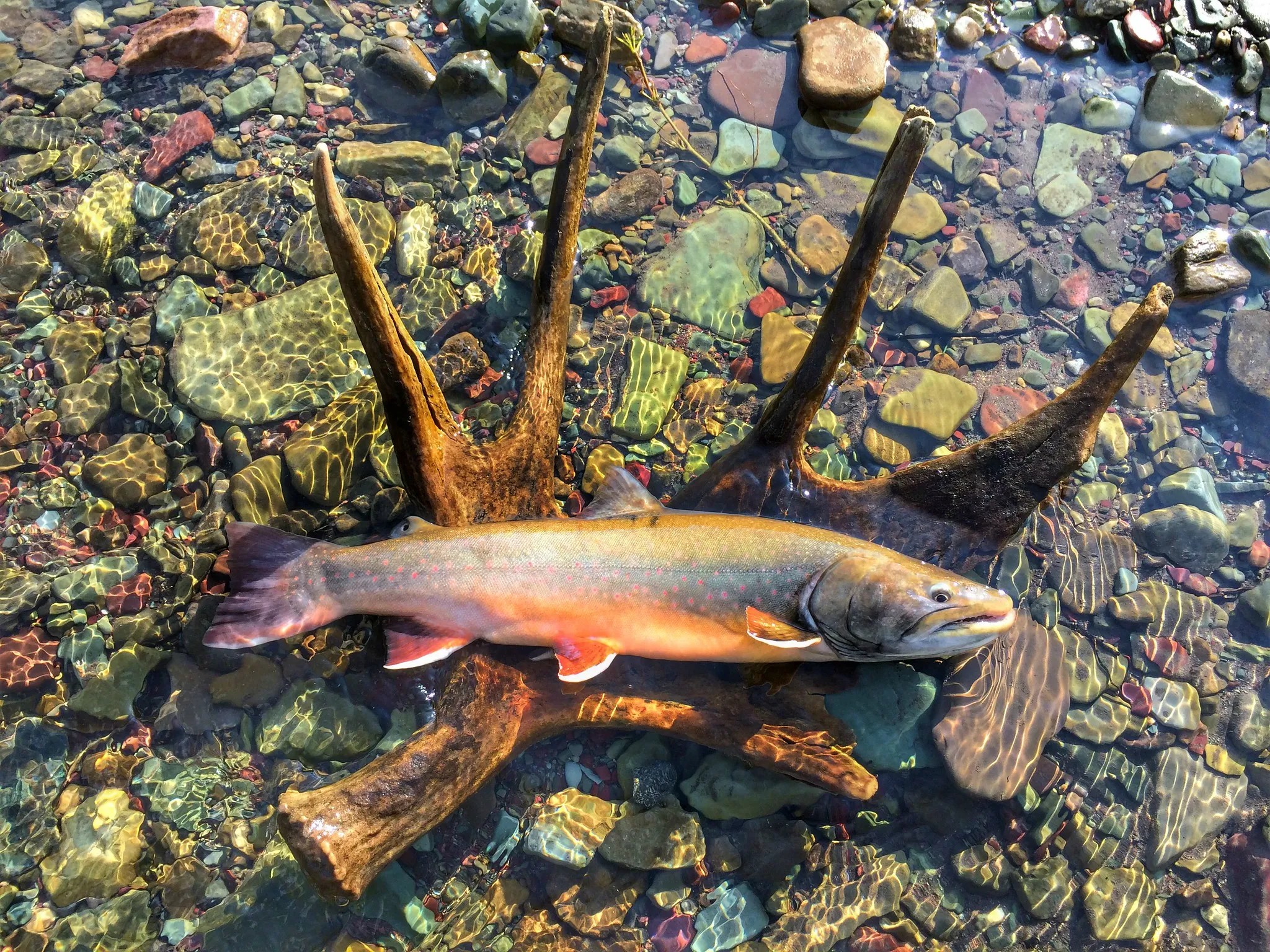
Bull trout
Bull trout, native to Montana and recognizable by their large heads and white-tipped fins, are the alpine equivalent of a canary in a coal mine. They rely on cold, clean water, and as warmer temperatures, invasive species, and sediment runoff have degraded their habitat, Montana Fish, Wildlife and Parks, the state’s wildlife management agency, has documented significant declines across half of the population. Road construction, particularly for industrial logging, poses one of the greatest threats to bull trout spawning habitat. The fish are particularly sensitive to sediment buildup, which can coat the gravelly bottom of a river and smother their eggs.
“I could list off 10 streams right now that 15, 20 years ago had bull trout in them, and they don’t anymore,” said Brian Riggers, a retired fisheries biologist with the U.S. Forest Service who spent decades documenting bull trout in streams across western Montana. “That’s a sad thing.”
Bull trout are listed as “threatened” by the Fish and Wildlife Service in recognition that they’re likely to become endangered and at risk of extinction without protection. The listing ensures that anglers are not allowed to catch and release them like other species of trout, and it’s not legal to fish for them in most of their habitat.
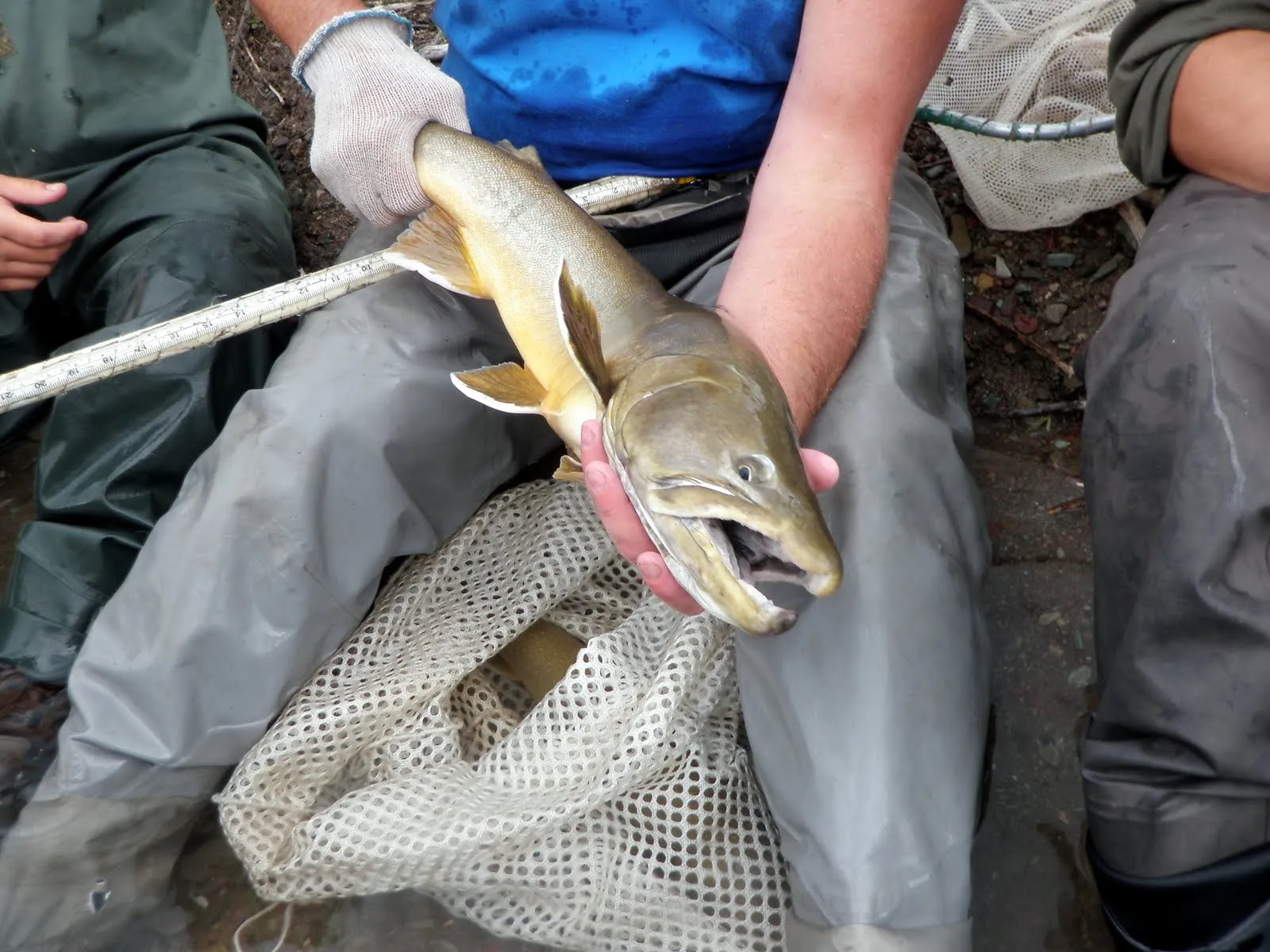
The Trump administration’s proposed policy changes to weaken the Endangered Species Act, as well as rescind protections for roadless areas in national forests and allow more motorized recreation, are the latest blows to these imperiled fish.
Riggers said that without protections for their remaining habitat, bull trout will continue to face steep declines. The need to preserve their habitat has been a key component of legal challenges against large-scale logging projects in the state. Without the explicit federal protections to prevent harm to a listed species’ habitat, it could become nearly impossible to stop development projects that degrade spawning streams and block the bull trout’s ability to move through rivers.
— Ellis Juhlin
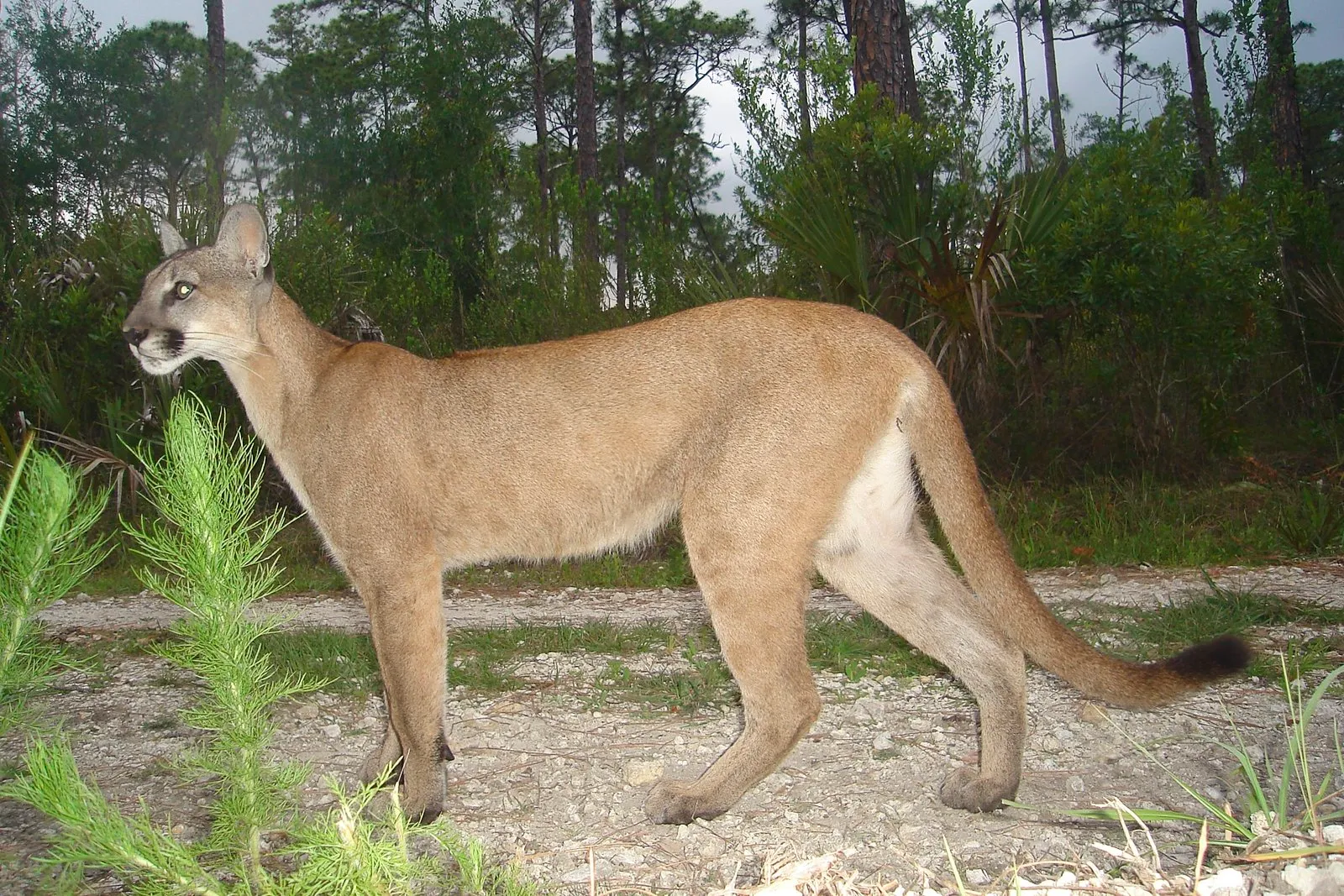
Florida panther
Read the original →